


Disclaimer
This post may contain affiliate links. I will make a small commission if you make a purchase through one of these links, at no extra cost to you. See full disclosure and disclaimer policy HERE.
Who says healthy eating has to be boring? If you’re looking for a fun way to add more nutritious ingredients to your daily routine, homemade gummies might be exactly what you need. These colourful little treats are more than just a nostalgic reminder of childhood sweets. With the right ingredients, you can turn them into delicious snacks containing fruit, vitamins, minerals, herbs, and other beneficial compounds.
The best part? You don’t need expensive supplements, artificial colours, or complicated recipes to make them. A few simple ingredients, a silicone mould, and a little creativity are enough to get started.
Homemade health gummies also give you something commercial products rarely offer: control. You decide what goes into them, how much sugar they contain, which fruits you use, and whether you want to experiment with ingredients such as ginger, turmeric, elderberry, or collagen.
But are homemade gummies actually healthy? Can they deliver meaningful nutritional benefits, and which ingredients are worth including?
Let’s explore the benefits of homemade gummies, the ingredients you can use, and some easy recipes to make your own nutritious treats at home.
What Are Homemade Health Gummies?
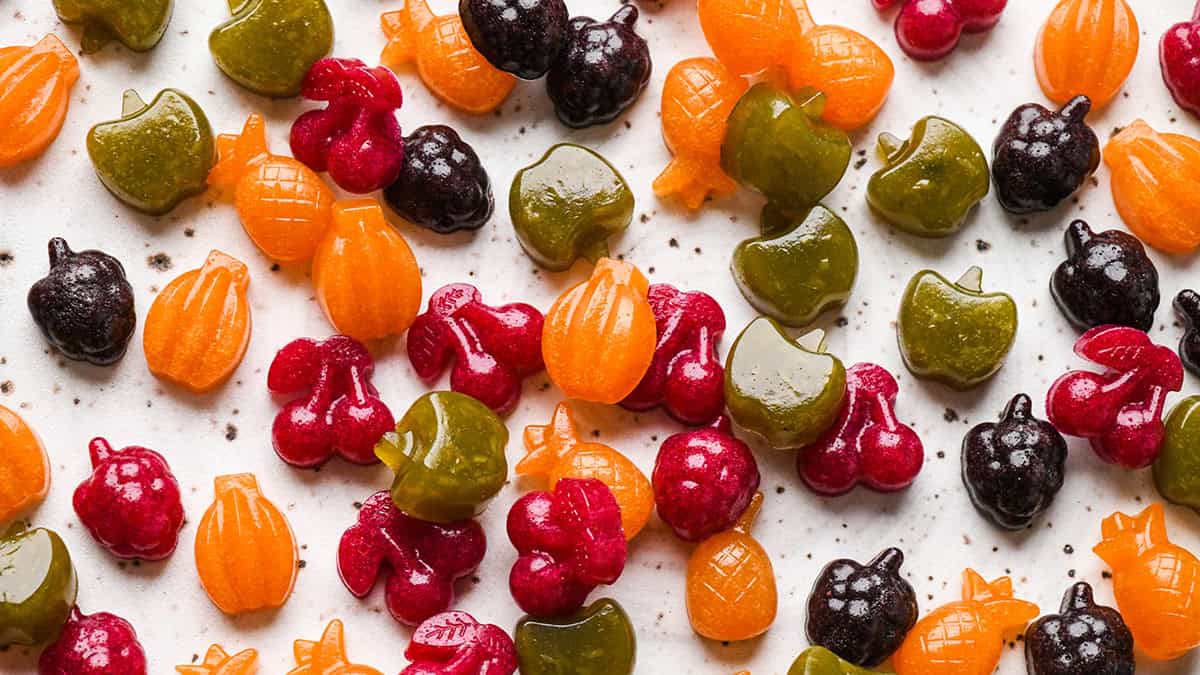
Homemade health gummies are soft, chewy treats made with ingredients such as fruit juice, fruit purées, gelatin, pectin, herbs, and nutritional supplements.
Unlike conventional sweets, which often contain large amounts of refined sugar, artificial flavourings, and colourants, homemade versions can be prepared with whole-food ingredients and little or no added sugar.
Think of them as a cross between a fruit snack and a supplement. Depending on the ingredients, your gummies can provide vitamin C, antioxidants, dietary fibre (when made with whole fruit), and other nutrients.
Gelatin and pectin are two popular ingredients used to give gummies their characteristic texture.
- Gelatin: An animal-derived protein that creates a firm, chewy texture. It also contains amino acids, including glycine and proline.
- Pectin: A plant-based soluble fibre naturally found in fruits, particularly apples and citrus peels. It is commonly used to make vegetarian and vegan gummies.
You can use either ingredient depending on your dietary preferences.
The real beauty of making gummies at home is flexibility. You can create different combinations for everyday nutrition, incorporate herbs into your recipes, or simply make healthier alternatives to shop-bought sweets.
Don’t have time? Pin this post for later!

Are Homemade Gummies Good for Your Health?
They can be! However, their nutritional value depends entirely on what you put into them.
A gummy made with concentrated fruit juice, added sugar, and flavouring is not necessarily healthier than an ordinary sweet.
On the other hand, a homemade version prepared with real fruit, unsweetened juice, and a suitable setting agent can be a convenient way to enjoy nutritious ingredients.
Here are some potential benefits:
1. An Easy Way to Include More Fruit
Getting enough fruit into your diet isn’t always easy, especially when you’re busy or simply don’t enjoy eating certain varieties.
Homemade gummies offer another way to incorporate fruit into your routine. You can use strawberries, blueberries, raspberries, oranges, cherries, and many other options.
When you use whole fruit purée rather than strained juice, you also retain some of the fruit’s dietary fibre.
Berries are particularly interesting because they contain anthocyanins, plant pigments with antioxidant properties. These compounds help protect cells against oxidative stress.
Of course, gummies shouldn’t replace fresh fruit. Think of them as an additional way to enjoy its nutritional benefits.
2. You Control the Sugar Content
One of the biggest advantages of making your own gummies is controlling how sweet they are.
Commercial gummy sweets often contain substantial amounts of added sugar or glucose syrup. Even some products marketed as healthy supplements contain sweeteners and other additives.
At home, you can rely on the natural sweetness of ripe fruit or add a small amount of honey, maple syrup, or another sweetener if necessary.
You can also make completely unsweetened versions.
Remember that fruit juice still contains naturally occurring sugars, even when no sugar has been added. Using whole fruit and keeping portions reasonable is a good approach.
3. They Can Provide Protein
If you use gelatin, your homemade gummies will contain some protein.
Gelatin is derived from collagen and provides amino acids such as glycine and proline. These amino acids are involved in several biological processes, including the maintenance of connective tissues.
However, gelatin is an incomplete protein because it does not provide all the essential amino acids in adequate proportions. Therefore, although gelatin gummies contribute some protein, they shouldn’t be considered a replacement for other protein sources.
4. You Can Incorporate Beneficial Herbs and Spices
This is where homemade gummies become particularly interesting.
Herbs and spices contain numerous naturally occurring plant compounds that have been investigated for their antioxidant, anti-inflammatory, and other biological properties.
You can experiment with ingredients such as:
- Ginger
- Turmeric
- Elderberry
- Hibiscus
- Cinnamon
- Rosemary
- Peppermint
Adding these ingredients allows you to explore different flavours while incorporating plant compounds into your diet.
Keep in mind that including an herb in a gummy doesn’t automatically make it a therapeutic supplement. The amount used, preparation method, and bioavailability all influence its potential effects.
The Best Ingredients for Homemade Health Gummies
Before getting into recipes, let’s look at some ingredients worth keeping in your kitchen. Each offers different nutritional properties, flavours, and textures.
1. Berries: Antioxidant-Rich Goodness
Blueberries, strawberries, raspberries, and blackberries are excellent choices for homemade gummies.
They contain vitamin C, polyphenols, and other antioxidant compounds. Blueberries, for example, are particularly rich in anthocyanins, while strawberries provide a useful source of vitamin C.
You can blend fresh or frozen berries into a purée and combine them with gelatin or pectin.
Best for: Antioxidant-rich fruit gummies and naturally colourful recipes.

2. Ginger: A Warming Digestive Ingredient
Ginger has a long history of culinary and medicinal use. Its best-known active compounds include gingerols, which have been studied for their antioxidant and anti-inflammatory properties.
Research also supports ginger’s potential to help alleviate certain types of nausea, particularly pregnancy-related nausea and nausea associated with some medical treatments.
Its slightly spicy flavour works beautifully with lemon, orange, and honey.
Best for: Ginger-lemon gummies with a refreshing, warming flavour.

3. Turmeric: A Golden Addition
Turmeric contains curcumin, a plant compound that has attracted considerable scientific interest because of its anti-inflammatory and antioxidant properties.
However, curcumin has relatively poor bioavailability, meaning the body doesn’t absorb it particularly well. Black pepper contains piperine, which can increase curcumin absorption, although this combination may also affect how certain medications are processed.
For everyday culinary use, a little turmeric can add beautiful colour and an earthy flavour to your gummies.
Best for: Golden turmeric, ginger, and citrus gummies.

4. Elderberries: Traditional Herbal Goodness
Elderberries have a long history of use in traditional herbal preparations. They contain anthocyanins and other polyphenols that give them their deep purple colour.
Some preliminary research has investigated elderberry preparations for their potential effects on cold and flu symptoms, but the evidence remains limited. They should not be considered a proven treatment or substitute for conventional medical care.
An important safety note: raw or unripe elderberries, as well as their leaves and stems, can contain compounds that cause nausea, vomiting, and diarrhoea. Always use properly cooked elderberry preparations from a reliable source.
Best for: Dark berry gummies with a slightly tart flavour.

5. Citrus Fruits: Vitamin C and Freshness
Lemons, oranges, and grapefruits bring natural sweetness, acidity, and plenty of flavour to homemade gummies.
Citrus fruits are particularly good sources of vitamin C, which contributes to normal immune function, collagen formation, and protection of cells against oxidative stress.
Fresh orange juice works particularly well in fruit gummies, while lemon juice adds a pleasant tanginess that balances sweeter ingredients.
Best for: Vitamin C-rich citrus gummies.

6. Collagen: An Alternative to Gelatin
Collagen peptides are increasingly popular in nutritional supplements, particularly those marketed for skin, hair, nails, and joint health.
Collagen is a structural protein found in connective tissues. Some studies suggest that collagen peptide supplementation may offer modest benefits for skin hydration and elasticity, although results vary and more research is needed.
One important distinction: collagen peptides do not behave like ordinary gelatin. They generally won’t set your gummies into a firm, chewy texture on their own.
If you want to use collagen peptides, combine them with gelatin or pectin rather than relying on them as the setting agent.

5 Easy Homemade Gummies for Health
Now for the fun part!
The following recipes use simple ingredients and are easy to customise. Each recipe makes approximately 20–30 small gummies, depending on the size of your moulds.
For gelatin recipes, use unflavoured gelatin powder. Bloom it in a little cold liquid before adding it to the warm mixture. This helps prevent unpleasant lumps.
1. Homemade Berry Antioxidant Gummies
These colourful gummies combine the goodness of berries with the convenience of a small, naturally flavoured snack.
Ingredients:
- 150 g mixed blueberries, raspberries, and strawberries
- 60 ml water
- 2 tablespoons unflavoured gelatin
- 1 teaspoon lemon juice
- 1 teaspoon honey (optional)
Instructions:
- Blend the berries until smooth.
- Place the purée in a small saucepan and warm gently.
- Sprinkle the gelatin over the cold water in a separate bowl and allow it to bloom for approximately five minutes.
- Add the bloomed gelatin to the warm berry mixture.
- Stir gently until completely dissolved. Avoid boiling.
- Add lemon juice and honey if desired.
- Pour into silicone moulds and refrigerate for two to three hours.
Why you’ll love them: These gummies provide fruit-derived polyphenols and vitamin C, depending on the fruit combination. They’re also a delicious way to use frozen berries.

2. Ginger and Lemon Digestive Gummies
If you enjoy the warming taste of ginger tea, you’ll probably love these gummies.
Ginger is particularly interesting because it has been studied for its ability to help with certain types of nausea.
Ingredients:
- 120 ml freshly squeezed lemon juice
- 80 ml water
- 1 tablespoon freshly grated ginger
- 2 tablespoons unflavoured gelatin
- 1–2 teaspoons honey (optional)
Instructions:
- Combine the water and grated ginger in a saucepan.
- Simmer gently for approximately five minutes.
- Strain the liquid to remove the ginger pieces.
- Allow it to cool slightly.
- Sprinkle the gelatin over a small amount of cold water and let it bloom.
- Add the lemon juice, honey, and bloomed gelatin to the warm ginger infusion.
- Stir until dissolved.
- Pour into silicone moulds and refrigerate until firm.
Why you’ll love them: They’re refreshing, slightly spicy, and offer a convenient way to enjoy ginger without preparing tea.

3. Turmeric and Black Pepper Gummies
These golden gummies combine turmeric and ginger for a distinctive flavour.
Black pepper is included because its piperine content can increase curcumin absorption. However, this interaction can also affect certain medications, so these gummies aren’t suitable for everyone.
Ingredients:
- 150 ml orange juice
- 1 teaspoon turmeric powder
- ½ teaspoon freshly grated ginger
- A tiny pinch of black pepper
- 2 tablespoons unflavoured gelatin
- 1 teaspoon honey (optional)
Instructions:
- Warm the orange juice gently in a saucepan.
- Add turmeric, ginger, and black pepper.
- Stir thoroughly.
- Bloom the gelatin in a little cold water.
- Add it to the warm orange mixture.
- Stir until dissolved.
- Pour into silicone moulds and refrigerate for two to three hours.
Why you’ll love them: The combination of orange and turmeric creates a naturally vibrant colour, while ginger adds a pleasant kick.

4. Elderberry and Honey Gummies
Elderberry gummies are a popular homemade alternative to commercial elderberry supplements.
This recipe uses cooked elderberry syrup rather than raw berries.
Ingredients:
- 120 ml commercially prepared or properly cooked elderberry syrup
- 60 ml water
- 2 tablespoons unflavoured gelatin
- 1 teaspoon lemon juice (optional)
Instructions:
- Warm the elderberry syrup and water gently in a saucepan.
- Bloom the gelatin in cold water.
- Add the gelatin to the warm mixture.
- Stir until completely dissolved.
- Add lemon juice if desired.
- Pour into silicone moulds.
- Refrigerate until firm.
Why you’ll love them: Elderberries provide anthocyanins and a rich, fruity flavour.
Remember that these gummies are a food preparation, not a proven cold or flu remedy. Use only properly cooked elderberry products.

5. Orange and Collagen Gummies
If you’re interested in incorporating collagen into your diet, this recipe is a simple place to start.
Ingredients:
- 150 ml fresh orange juice
- 50 ml water
- 2 tablespoons unflavoured gelatin
- 1 tablespoon collagen peptides
- 1 teaspoon lemon juice
Instructions:
- Warm the orange juice and water in a saucepan.
- Bloom the gelatin in cold water.
- Add the bloomed gelatin to the warm liquid.
- Stir until dissolved.
- Remove from the heat and add the collagen peptides.
- Mix thoroughly until smooth.
- Add lemon juice.
- Pour into silicone moulds and refrigerate until firm.
Why you’ll love them: These gummies combine fruit-derived vitamin C with collagen-derived amino acids. Vitamin C contributes to normal collagen formation in the body, although eating these two ingredients together doesn’t guarantee improved skin or joint health.

Tips for Making Perfect Homemade Gummies
Making gummies isn’t particularly complicated, but a few small details can make a considerable difference to the final result.
Choose the Right Setting Agent
Gelatin creates the familiar chewy texture found in traditional gummy sweets. Pectin is a good alternative if you follow a vegetarian or vegan diet.
However, pectin recipes may require different proportions of sugar and acidity to set properly. Use a recipe specifically developed for the type of pectin you’re buying.
Avoid Boiling the Mixture
High temperatures can affect gelatin’s ability to set properly. Warm your ingredients gently and remove the mixture from the heat before incorporating the gelatin.
Experiment with Natural Flavours
You don’t need artificial flavourings to make delicious gummies.
Try combinations such as:
- Strawberry and basil
- Blueberry and lemon
- Orange and ginger
- Raspberry and hibiscus
- Apple and cinnamon
- Pineapple and mint
The possibilities are practically endless.
Are There Any Risks to Homemade Health Gummies?
Although homemade gummies can be a nutritious addition to your diet, natural ingredients aren’t automatically harmless.
There are a few things worth remembering.
- Sugar content: Fruit juice, honey, and other natural sweeteners still contribute sugars. Keep portions moderate, particularly if you’re monitoring blood glucose.
- Herbal interactions: Ginger, turmeric, elderberry, and other herbs may interact with medications or be unsuitable for certain health conditions. Culinary quantities are generally different from concentrated supplement doses.
- Allergies: Gelatin, fruit, and other ingredients can trigger allergic reactions in susceptible individuals.
- Supplement dosages: If you’re adding vitamins, minerals, or other supplements, follow the recommended dosage. More isn’t necessarily better.
- Food safety: Homemade gummies contain moisture and can spoil. Refrigerate them and avoid keeping them for long periods.
One more thing: homemade gummies shouldn’t replace a balanced diet or prescribed supplements. They’re a convenient way to enjoy nutritious ingredients, not a shortcut to better health.
If you’re pregnant, breastfeeding, taking medication, or managing a medical condition, check with a healthcare professional before regularly consuming gummies containing concentrated herbal ingredients.

Final Thoughts
Homemade health gummies are a fun, practical, and delicious way to incorporate fruit, herbs, and selected nutritional ingredients into your everyday routine. Whether you prefer antioxidant-rich berry gummies, warming ginger and lemon combinations, or golden turmeric treats, there’s plenty of room to experiment.
The biggest advantage is knowing exactly what goes into your food. You can reduce added sugar, avoid unnecessary artificial additives, choose ingredients that suit your preferences, and create combinations that taste good.
Just remember that these little treats aren’t miracle supplements. Their benefits depend on their ingredients, quantities, and your overall diet. Think of them as one more creative way to make healthy eating enjoyable.
So, why not put away the shop-bought sweets for a while, grab your favourite silicone moulds, and start experimenting? Your next favourite healthy snack might be sitting in your kitchen already!
Did you like it? Pin this post for later!

FAQs
How long do homemade health gummies last?
Homemade gummies generally last around five to seven days when stored in an airtight container in the refrigerator. Because they don’t contain commercial preservatives, they have a much shorter shelf life than packaged gummies. Always check for changes in smell, appearance, or texture before eating.
Can I make homemade gummies without gelatin?
Absolutely! Pectin and agar-agar are popular plant-based alternatives. Pectin is particularly suitable for fruit-based gummies, while agar-agar creates a firmer, sometimes more brittle texture. Remember that each setting agent requires a slightly different preparation method.
Are homemade vitamin gummies better than commercial supplements?
Not necessarily. Homemade gummies offer greater control over ingredients, sugar content, and flavour, but their nutritional content may be less predictable. Commercial supplements often provide standardised doses of specific nutrients. If you’re using gummies to address a nutritional deficiency, choose a product with clearly labelled and appropriate nutrient amounts.
Can I use fresh fruit instead of fruit juice?
Yes! In fact, whole fruit purée is often a better choice because it retains some dietary fibre that would otherwise be removed during juicing. Berries, mangoes, peaches, and strawberries are particularly suitable. Blend the fruit until smooth before incorporating it into your gummy mixture.
Can I eat homemade health gummies every day?
You can generally enjoy ordinary fruit-based homemade gummies in moderation as part of a balanced diet. However, gummies containing concentrated herbs, vitamins, minerals, or other supplements require more consideration. Check the total amount you’re consuming, particularly if you already take supplements or medication.
Have I missed something? Let me know on X!
GO BEYOND THE BLOG
Become a member of The Fit As A Fiddle Society for €6.99/month and unlock exclusive holistic health case studies, practical guides and members-only downloadable resources.


