


Disclaimer
This post may contain affiliate links. I will make a small commission if you make a purchase through one of these links, at no extra cost to you. See full disclosure and disclaimer policy HERE.
Ever pulled a stubborn little plant from your garden, tossed it aside, and thought, “Just another weed”?What if I told you that “weed” might actually be a nutritional powerhouse hiding in plain sight? Meet purslane.
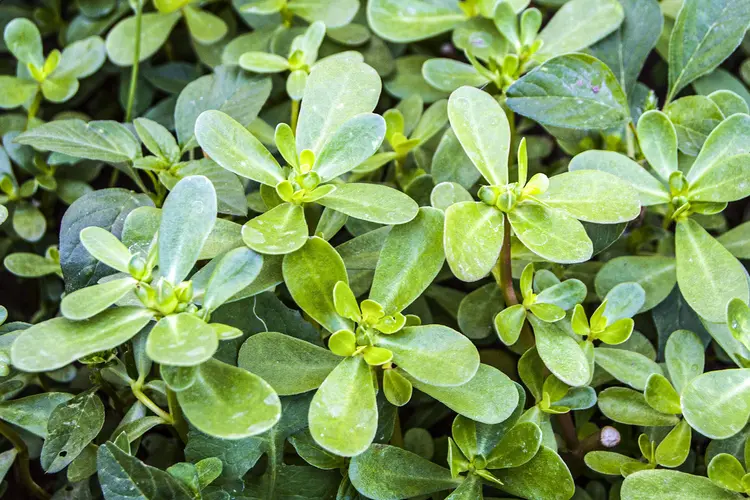
Scientifically known as Portulaca oleracea, purslane is that low-growing, succulent-like plant with small yellow flowers and smooth reddish stems. It thrives in sidewalk cracks, vegetable gardens, and neglected corners of your backyard. Most people rip it out. A few sauté it with garlic and olive oil. And a growing number of health-conscious eaters call it a superfood. Let’s dig into why purslane deserves a spot on your plate — not your compost pile.
What Is Purslane?
Purslane is a leafy green succulent that has been eaten for thousands of years across the Mediterranean, the Middle East, Asia, and parts of Latin America.
In places like rural Greece, Turkey, and Mexico, it’s not a weed — it’s lunch.
Unlike typical leafy greens, purslane has:
- Thick, juicy leaves
- Crisp stems
- A slightly tangy, lemony flavour
- A mild, salty finish
It’s refreshing. It’s crunchy. And surprisingly versatile.
But what really sets purslane apart? Its nutritional profile.
Don´t have time? Pin this post for later!

Why Purslane Is Nutritionally Unique
Let’s be honest — the word “superfood” gets thrown around like confetti.
But purslane actually earns the title.
Here’s why.
1. One of the Best Plant Sources of Omega-3 Fatty Acids
Yes, you read that right.
Most people associate omega-3s with fatty fish like salmon.
But purslane contains alpha-linolenic acid (ALA), a plant-based omega-3 fatty acid.
In fact, among leafy vegetables, purslane is one of the richest natural sources of omega-3s.
Omega-3s are linked to:
- Reduced inflammation
- Better heart health
- Improved brain function
- Hormonal balance
For vegetarians and vegans, purslane can be a quiet ally in supporting healthy omega-3 intake.
2. Packed with Antioxidants
Purslane contains:
- Vitamin C
- Vitamin E
- Beta-carotene
- Glutathione
- Melatonin
Yes, melatonin — the same compound associated with sleep regulation.
These antioxidants help combat oxidative stress, which plays a role in aging and chronic disease.
Think of antioxidants as your internal rust-removal crew, cleaning up cellular damage before it spirals.
3. Rich in Essential Minerals
Purslane provides meaningful amounts of:
- Magnesium
- Potassium
- Calcium
- Iron
Magnesium supports muscle and nerve function.
Potassium helps regulate blood pressure. Iron contributes to oxygen transport in the blood.
Not bad for something growing between paving stones.
4. High in Fibre and Low in Calories
Trying to eat lighter without sacrificing nutrients?
Purslane is extremely low in calories yet rich in fibre and water content.
It fills you up while delivering vitamins and minerals — like getting a nutrient-dense return on minimal caloric investment.

Health Benefits of Purslane
Now let’s connect the dots. What does all this nutrition actually do for your body?
1. Supports Heart Health
Between its omega-3 content, potassium, magnesium, and antioxidants, purslane checks multiple heart-healthy boxes.
Omega-3s may help reduce inflammation and support healthy cholesterol levels.
Potassium helps counterbalance sodium, supporting blood pressure regulation.
It’s like a small green cardiologist sitting on your fork.
2. May Help Reduce Inflammation
Chronic inflammation is at the root of many modern conditions — from joint pain to metabolic disorders.
The combination of omega-3 fatty acids and antioxidants in purslane may help reduce inflammatory processes in the body.
If inflammation is a smoldering fire, purslane brings a gentle stream of water.
3. Supports Healthy Skin
Thanks to vitamin C, vitamin E, and beta-carotene, purslane can support collagen production and protect skin from oxidative damage.
Traditionally, purslane has also been used topically in some cultures for soothing irritated skin.
Its natural compounds may have calming properties.
Radiance doesn’t always come in a bottle — sometimes it grows wild.
4. May Help Regulate Blood Sugar
Some studies suggest that purslane may have beneficial effects on blood sugar levels.
Its fibre content slows digestion, helping prevent sharp glucose spikes.
Additionally, certain bioactive compounds in purslane may support insulin sensitivity.
For those managing blood sugar, incorporating fibre-rich greens like purslane can be a smart move — alongside medical guidance, of course.
5. Supports Gut Health
Fiber feeds beneficial gut bacteria.
A healthy microbiome influences digestion, immunity, mood, and even metabolism.
Adding diverse plant foods like purslane can help increase microbial diversity — which is generally associated with better gut health.
Think of your gut as a garden. The more diverse the plants, the healthier the ecosystem.

Culinary Uses of Purslane
Okay, so it’s healthy. But does it taste good?
Absolutely.
Purslane has a slightly sour, lemony flavour with a crunchy texture.
Because of its natural saltiness, it enhances dishes beautifully.
Here’s how you can use it:
1. Raw in Salads
Add fresh purslane to:
- Tomato and cucumber salads
- Greek-style salads with feta and olives
- Avocado and citrus bowls
It pairs especially well with olive oil and lemon.
2. Sautéed or Stir-Fried
Lightly sauté purslane with garlic and olive oil for a simple side dish. You can also toss it into:
- Scrambled eggs
- Omelets
- Stir-fries
- Soups
It wilts slightly but keeps some crunch.
RELATED:
What Are Microgreens? Benefits, Nutrition, and How to Use Them Daily
3. Blended into Sauces
Blend purslane into:
- Green pesto
- Chimichurri
- Yoghurt-based dips
- Smoothies
Yes, smoothies. Its mild flavour blends surprisingly well with apple and cucumber.
4. Added to Stews and Legumes
In traditional Mediterranean cooking, purslane is often simmered with lentils, beans, or tomato-based stews.
It adds texture and a subtle tang that brightens heavy dishes.

Is Purslane Safe to Eat?
Generally, yes — but there’s an important caveat.
Purslane contains oxalates, compounds that can contribute to kidney stone formation in susceptible individuals.
If you are prone to kidney stones or have been advised to limit oxalates, consult a healthcare professional before consuming large amounts.
Moderation matters.
Also, never harvest purslane from roadsides or areas that may have been sprayed with pesticides.
If foraging, make sure you correctly identify the plant — it has a poisonous look-alike called spurge (which has milky sap, unlike purslane).
When in doubt, buy it from a trusted source or grow your own.

How to Grow Purslane at Home
The irony? People spend money buying purslane seeds — while others fight to eliminate it from their gardens.
Purslane thrives in:
- Warm weather
- Full sun
- Well-drained soil
It requires minimal care. In fact, neglect seems to suit it.
Harvest young, tender stems for the best flavour. Rinse thoroughly before eating.
It’s sustainable, resilient, and practically self-sufficient — a metaphor for the kind of health we’re all chasing.

Purslane in Traditional Medicine
Across cultures, purslane has been used traditionally for:
- Digestive issues
- Skin irritation
- Fever
- Urinary discomfort
While traditional uses don’t automatically equal scientific proof, modern research has begun exploring some of these historical claims.
It’s fascinating, isn’t it? Sometimes the old remedies weren’t just folklore — they were observational science passed down through generations.

Purslane vs. Other Leafy Greens
How does purslane stack up against spinach or kale?
- Higher omega-3 content than most leafy greens
- Comparable antioxidant levels
- More succulent texture
- Naturally saltier flavour
Spinach might be the celebrity. Kale might be the influencer.
Purslane? It’s the quiet genius in the back of the room.

Who Should Consider Adding Purslane to Their Diet?
Purslane can be particularly beneficial for:
- Vegetarians and vegans seeking plant-based omega-3s
- People aiming to diversify their greens
- Those interested in anti-inflammatory foods
- Gardeners looking to eat what grows naturally
Of course, it’s not a miracle cure. No single food is.
But as part of a balanced, varied diet, purslane is a smart addition.

Sustainability and Wild Edibles
Here’s something to think about.
We import exotic “superfoods” from across the globe while ignoring nutrient-dense plants growing locally.
Purslane thrives without fertilisers, irrigation, or special treatment.
It’s climate-resilient. Drought-tolerant. Self-propagating.
In a world obsessed with packaged health trends, purslane is refreshingly simple.
Sometimes sustainability isn’t about buying something new — it’s about recognising value where we least expect it.

Final Thoughts
Purslane is proof that appearances can be deceiving.
What many dismiss as a garden nuisance is actually a nutrient-dense, omega-3-rich, antioxidant-packed leafy green with culinary versatility and traditional roots.
It supports heart health. It may reduce inflammation.
It nourishes your gut. And it grows practically everywhere.
So next time you see that low-growing succulent with tiny yellow flowers, pause before pulling it out.
Ask yourself: Is this a weed… or a gift?
Sometimes the healthiest choices aren’t exotic or expensive.
Sometimes they’re quietly waiting at your feet.
Did you like it? Pin this post for later!

FAQs
Can you eat purslane raw?
Yes, purslane can be eaten raw. It has a crisp texture and slightly tangy flavour that works well in salads and sandwiches.
Is purslane better than spinach?
They each have benefits, but purslane stands out for its higher omega-3 content and succulent texture.
Does purslane help with weight loss?
Purslane is low in calories and high in fibre, which can support satiety as part of a balanced diet — but it’s not a standalone weight-loss solution.
Can purslane be grown indoors?
Yes, purslane can be grown in pots with plenty of sunlight and well-drained soil, making it suitable for balconies or windowsills.
Are there any side effects of eating purslane?
Purslane contains oxalates, so individuals prone to kidney stones should consume it in moderation and consult a healthcare professional if unsure.
Have I missed something? Let me know on X!


