


Disclaimer
This post may contain affiliate links. I will make a small commission if you make a purchase through one of these links, at no extra cost to you. See full disclosure and disclaimer policy HERE.
If vegetables had a glow-up phase, microgreens would be it. Tiny, colourful, delicate, and surprisingly powerful, these little greens are proof that big things really do come in small packages. You’ve probably seen them sprinkled on fancy restaurant plates or peeking out of smoothie bowls on Instagram—but microgreens are way more than edible decoration.
So what exactly are microgreens? Why are nutritionists, chefs, and health nerds obsessed with them? And should you really be adding these baby plants to your daily meals? (Short answer: yes. Long answer: keep reading.). Let’s dig in—literally.
What Are Microgreens, Exactly?
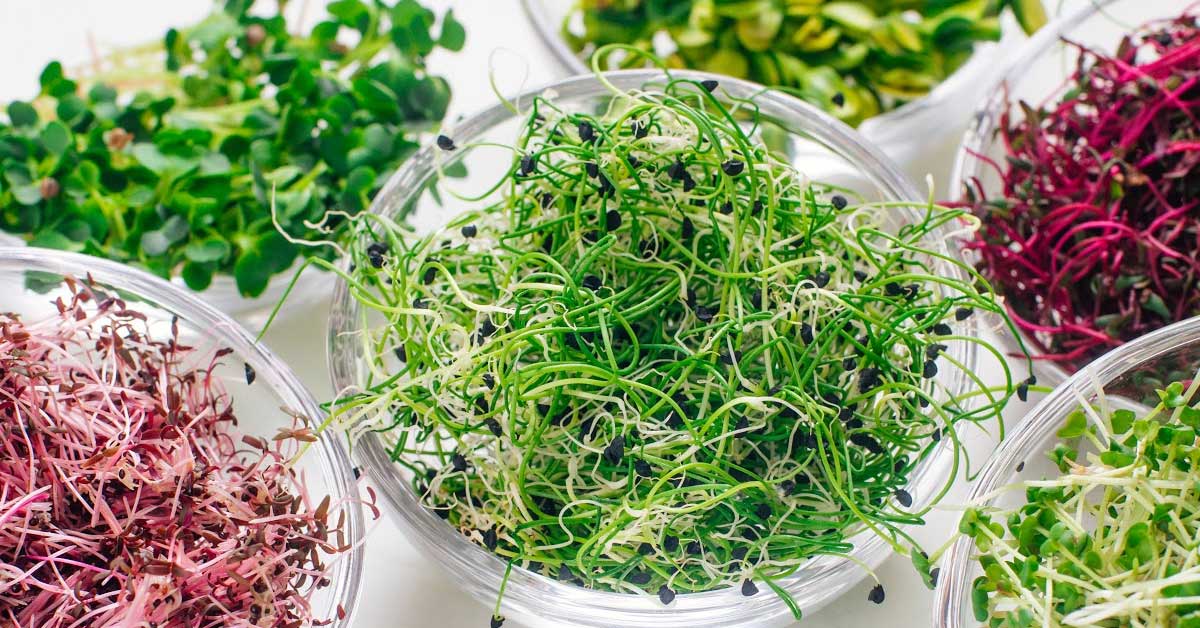
Microgreens are young vegetable greens harvested just after the first leaves develop, usually 7–21 days after germination.
They sit somewhere between sprouts and baby greens on the plant growth timeline.
Think of them as toddlers in the plant world: no longer infants, not yet fully grown, but already bursting with personality—and nutrients.
Unlike sprouts, which are grown in water and eaten whole (root and all), microgreens are grown in soil or growing mats and harvested above the root.
And unlike mature vegetables, they haven’t had time to toughen up or lose their youthful vibrancy.
Popular microgreens include:
- Broccoli
- Radish
- Kale
- Arugula
- Beet
- Pea shoots
- Mustard greens
- Sunflower
Each variety has its own flavour profile, ranging from sweet and mild to spicy and peppery.
Tiny plant, big attitude.
Don’t have time? Pin this post for later!

Microgreens vs. Sprouts vs. Baby Greens: What’s the Difference?
This is where people often get confused, so let’s clear it up with a quick analogy.
- Sprouts are like newborns—fragile, watery, and eaten whole.
- Microgreens are toddlers—small but mighty, with defined leaves and strong flavours.
- Baby greens are teenagers—larger, more developed, but not fully mature.
Microgreens strike the sweet spot.
They’re easier to digest than mature greens, safer than sprouts (less risk of bacterial growth), and more nutrient-dense per bite than their fully grown counterparts.
Basically, they’re the overachievers of the produce aisle.

Why Are Microgreens So Nutrient-Dense?
Here’s where things get exciting.
Microgreens are packed with nutrients because they’re harvested at the plant’s most energetically intense growth phase.
This is when plants concentrate vitamins, minerals, antioxidants, and enzymes to fuel their rapid development.
Several studies have shown that microgreens can contain up to 4–40 times more nutrients than the same plant at maturity. Yes, you read that right.
Common nutrients found in microgreens include:
- Vitamin C
- Vitamin E
- Vitamin K
- Beta-carotene
- Polyphenols
- Iron
- Magnesium
- Potassium
It’s like nature hit the “condense” button.

The Health Benefits of Microgreens (And Why Your Body Loves Them)
Let’s talk about what happens when these tiny greens meet your body.
1. They Support Immune Health
Thanks to their high antioxidant and vitamin C content, microgreens help protect your cells from oxidative stress.
Think of antioxidants as your body’s internal cleanup crew, sweeping away damage before it turns into chronic illness.
During flu season—or whenever life decides to stress you out—microgreens can be a quiet but powerful ally.
2. They’re Great for Gut Health
Microgreens are easier to digest than mature greens, especially for people with sensitive stomachs.
Their tender fibres and enzyme-rich profile make them gentle on the digestive system while still feeding your gut bacteria.
If your relationship with kale has been… complicated, microgreens might be your redemption arc.
3. They May Help Reduce Inflammation
Chronic inflammation is like a low-level fire smoldering in the body.
Over time, it’s linked to heart disease, diabetes, arthritis, and more.
Many microgreens—especially broccoli, radish, and mustard—contain compounds that help calm inflammatory pathways. Small leaves, big chill.
4. They Support Heart Health
Microgreens are naturally low in calories but rich in potassium, fibre, and polyphenols.
These nutrients help regulate blood pressure, improve cholesterol levels, and protect blood vessels.
Adding microgreens to your meals is like giving your heart a daily thank-you note.
5. They May Help Balance Blood Sugar
Because they’re nutrient-dense and low in carbohydrates, microgreens are a smart addition for people managing blood sugar levels.
They help slow digestion and reduce glucose spikes when paired with carbs.
Translation: fewer crashes, more steady energy.

Why Microgreens Taste Better Than Regular Greens
Let’s be honest—nutrition is great, but flavour matters.
Microgreens aren’t just healthy; they’re intense.
Because the plant’s flavor compounds are concentrated at this early stage, microgreens often taste stronger than the adult version.
Radish microgreens? Spicier than radishes.
Basil microgreens? More aromatic than basil leaves.
Pea shoots? Sweet, fresh, and grassy.
They’re like the espresso shot of vegetables.

How to Use Microgreens in Everyday Meals
You don’t need to be a Michelin-star chef to use microgreens.
They’re incredibly versatile and require zero cooking skills.
Here are easy, real-life ways to use them:
- Toss them into salads for extra flavor and crunch
- Add them to sandwiches and wraps instead of lettuce
- Sprinkle them over soups just before serving
- Blend them into smoothies (yes, really)
- Top eggs, avocado toast, or grain bowls
- Use them as a garnish that actually does something
Pro tip: Don’t cook microgreens. Heat destroys their delicate nutrients. Treat them like herbs—fresh, raw, and added at the end.

Can You Grow Microgreens at Home? (Absolutely.)
One of the coolest things about microgreens is how easy they are to grow.
You don’t need a garden, a balcony, or even a green thumb.
All you need is:
- Seeds
- A shallow tray
- Soil or growing mat
- Water
- Light (a windowsill works)
In about 10 days, you’ll have fresh greens ready to harvest.
It’s basically farming with instant gratification.
Growing your own microgreens also means:
- Lower cost
- Maximum freshness
- Zero pesticides
- Full control over quality
Plus, it’s oddly therapeutic.

Are Microgreens Safe for Everyone?
For most people, microgreens are completely safe and beneficial.
However, a few things to keep in mind:
- Wash them well before eating
- Buy from reputable sources or grow your own
- If you’re on blood thinners, be mindful of vitamin K–rich varieties
Compared to sprouts, microgreens carry a much lower risk of bacterial contamination, making them a safer option overall.

Why Microgreens Are a Smart Choice for Modern Diets
In a world where food is often overprocessed, overcooked, and underwhelming, microgreens feel like a return to something simpler—and smarter.
They’re:
- Sustainable
- Space-efficient
- Nutrient-dense
- Flavour-packed
- Accessible
You don’t need to overhaul your diet to benefit from them.
Just add a handful here and there. Small habit, big payoff.

The Environmental Bonus: Why Microgreens Are Eco-Friendly
Microgreens require:
- Less water
- Less land
- Short growth cycles
- Minimal transportation when grown locally
That makes them one of the most sustainable food options available today.
Eating microgreens isn’t just good for you—it’s good for the planet too.

Final Thoughts
Microgreens might be tiny, but they punch way above their weight.
They’re nutrient-dense, flavourful, easy to use, and surprisingly powerful when it comes to supporting overall health.
Whether you’re looking to boost your nutrient intake, improve digestion, add flavour without calories, or simply eat more plants without forcing yourself, microgreens are a simple, effective solution.
So next time you see those little leafy sprouts, don’t think “decoration.”
Think nutrition on fast-forward.
Your body will thank you—quietly, efficiently, and probably with better energy levels.
Did you like it? Pin this post for later!

FAQs
Are microgreens healthier than regular vegetables?
Microgreens often contain higher concentrations of certain vitamins and antioxidants than mature vegetables, making them extremely nutrient-dense for their size.
Can I eat microgreens every day?
Absolutely. They’re safe for daily consumption and can easily be added to meals without overdoing calories or carbs.
Do microgreens help with weight loss?
Yes. They’re low in calories, high in nutrients, and add flavour without needing heavy sauces or dressings—great for mindful eating.
Are microgreens expensive?
Store-bought microgreens can be pricey, but growing them at home is very affordable and cost-effective in the long run.
Which microgreens are best for beginners?
Pea shoots, radish, broccoli, and sunflower microgreens are easy to grow, flavourful, and nutritionally impressive—perfect for starting out.
Have I missed something? Let me know on X!
GO BEYOND THE BLOG
Become a member of The Fit As A Fiddle Society for €6.99/month and unlock exclusive holistic health case studies, practical guides and members-only downloadable resources.


